
Author, Strategist, and Framework Architect
How Structures Are Built, Distorted & Reconstructed
I develop analytical systems for examining political orders, businesses, institutions, narratives, and historical concepts through strategy, computational humanities, and structural analysis.
Understanding Complex Human Systems
Understanding the Structures That Govern Meaning, Power, and Human Systems
Most people study events.
Some study institutions.
Others study language.
My work begins one layer deeper.
I study the structures that produce them.
Across history, political orders rise and fall, empires expand and disappear, businesses succeed and collapse, and ideas transform as they move between cultures and generations. Yet beneath these visible outcomes lies a quieter architecture: the systems of meaning, incentives, narratives, and assumptions that shape how human beings organize themselves.
For more than a decade, my research and writing have focused on understanding that architecture.
Drawing from political theory, history, strategy, computational humanities, systems analysis, and philosophy of language, I develop frameworks that examine how concepts emerge, how they change, how they become distorted, and how they can be reconstructed.
This work has produced a growing body of books, research projects, and analytical models. Some focus on business and institutional design. Others examine corruption, strategic failure, governance, leadership, and organizational resilience. More recently, my research has expanded into computational approaches for measuring conceptual change across languages, cultures, and historical periods.
The central question remains the same:
Why do some structures survive while others collapse?
The answer is rarely found in events alone. It is found in the hidden systems that make those events possible.
Whether analyzing a corporation, a constitutional order, a political movement, a historical narrative, or a single translated word, I approach each problem as a structural phenomenon. The objective is not merely to describe outcomes but to identify the architecture that produced them.
This perspective forms the foundation of Histometrics, a research program developed to measure conceptual transformation across time and language. Beginning with ancient historiography and political semantics, Histometrics explores how ideas migrate through history, how meanings are preserved or altered, and how conceptual structures influence institutions, narratives, and collective memory.
At the same time, these investigations have practical applications beyond the humanities. The same analytical principles can be applied to strategy, organizational design, governance systems, cultural analysis, risk assessment, and institutional reconstruction.
The goal is simple.
To move beyond observation and toward diagnosis.
To understand not only what happened, but why it became possible.
And ultimately, to understand how structures may be redesigned before they fail.

Strategic and Organizational Architecture
Organizations rarely fail because of a single decision. More often, failure emerges from structural weaknesses that accumulate over time beneath the surface of visible success. Strategy, culture, governance, incentives, and institutional design interact to produce outcomes that are often misunderstood until it is too late.
Strategic and Organizational Architecture focuses on diagnosing those underlying structures. Through analytical frameworks developed from historical study, systems thinking, and organizational analysis, we examine how institutions are created, how they maintain coherence, and how they adapt under pressure.
Whether applied to businesses, public institutions, research organizations, or emerging ventures, the objective remains the same: to understand the architecture that makes long-term success possible and to identify the vulnerabilities that threaten it.
Political Theory and Historical Analysis
Political systems are sustained not only by laws and institutions but by the concepts that justify them. Sovereignty, legitimacy, authority, freedom, justice, and identity are not fixed realities. They are historical constructions that evolve through conflict, negotiation, interpretation, and memory.
Our work in political theory and historical analysis explores the intellectual foundations of power across different civilizations and periods. Drawing upon classical sources, intellectual history, historiography, and comparative political thought, we examine how political concepts emerge, how they are translated between cultures, and how they continue to shape contemporary institutions.
The aim is not merely to reconstruct the past but to understand the enduring structures that continue to influence political life in the present.
Governance, Institutions, and Constitutional Design
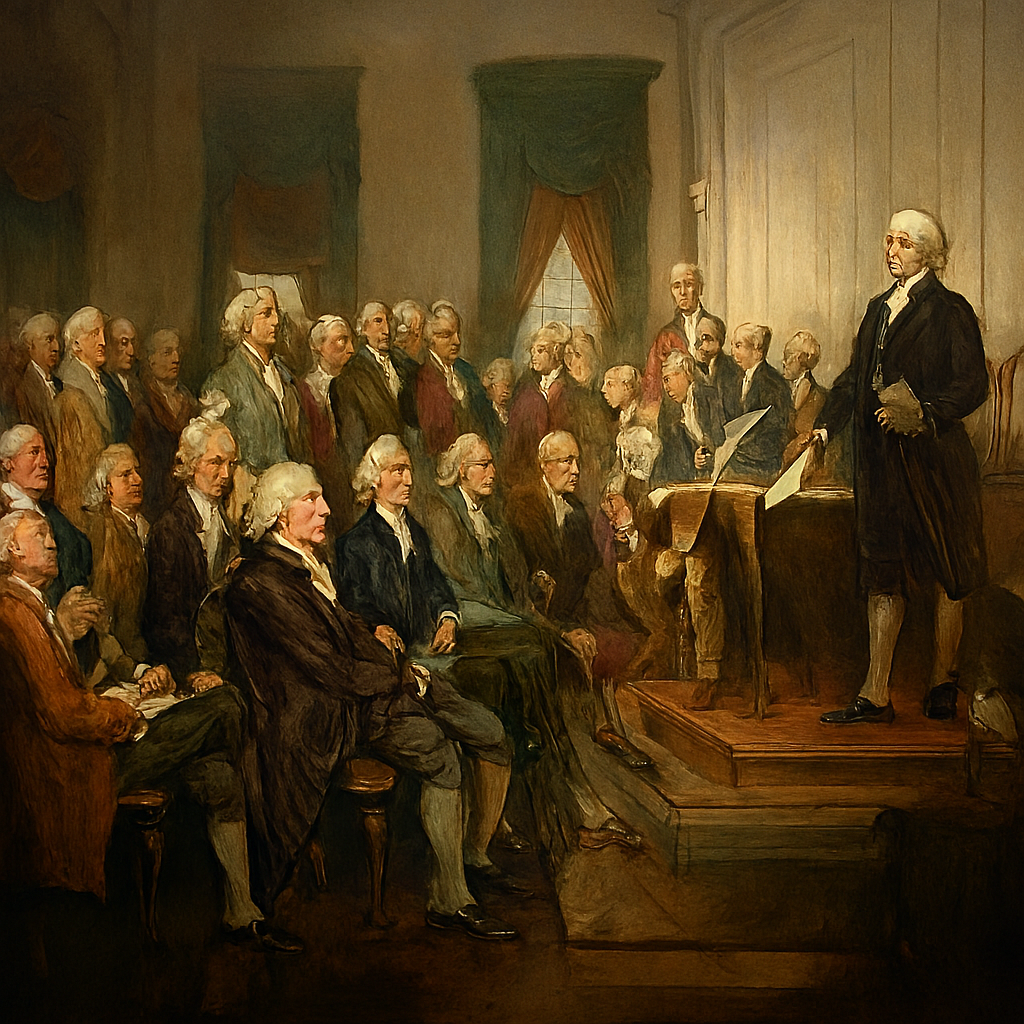
Governance is ultimately a problem of constraints. Every institution must determine how authority is exercised, how decisions are made, how power is limited, and how competing interests are reconciled without destroying the system itself.
Our work in governance and constitutional design examines the structural principles that allow institutions to remain effective, legitimate, and resilient across time. Drawing upon political philosophy, constitutional theory, systems analysis, and historical experience, I explore the conditions under which institutions succeed, stagnate, or collapse.
The focus is not limited to governments. Corporations, universities, foundations, and international organizations all depend upon constitutional architectures, whether formal or informal. Understanding these architectures provides a foundation for designing systems capable of surviving complexity, conflict, and change.
Narrative Systems and Cultural Analysis
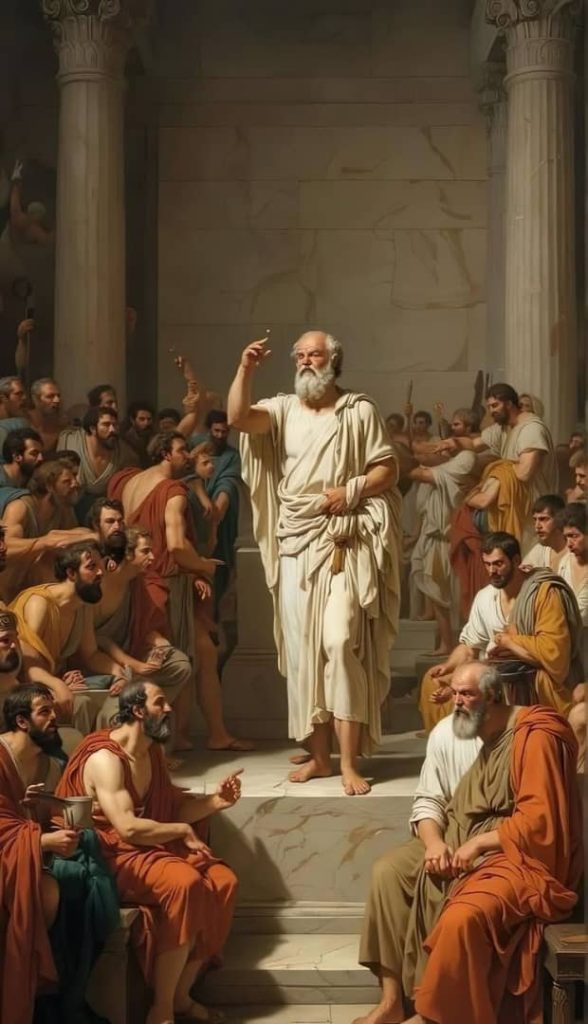
Human beings do not navigate reality through facts alone. They navigate through stories. Narratives establish identities, define enemies and allies, justify institutions, transmit values, and shape collective behavior across generations.
Narrative Systems and Cultural Analysis examines how stories operate as structural forces within societies, organizations, and political systems. From mythology and historical memory to media ecosystems and modern branding, narratives function as frameworks through which people interpret the world around them.
By analyzing the architecture of narratives rather than their surface content alone, this work seeks to identify the mechanisms through which cultures maintain continuity, generate legitimacy, and adapt to changing circumstances.

Business Strategy and Structural Diagnostics
Every business operates within multiple layers of structure: incentives, leadership, culture, decision-making processes, market positioning, customer perception, and organizational design. When these elements align, growth becomes possible. When they diverge, instability emerges.
Business Strategy and Structural Diagnostics focuses on identifying the hidden drivers of organizational performance. Rather than concentrating solely on financial outcomes or operational metrics, this approach examines the deeper systems that generate those outcomes.
The objective is to provide leaders, entrepreneurs, and organizations with analytical tools capable of revealing structural strengths, diagnosing emerging risks, and designing strategies that remain resilient under conditions of uncertainty and change.
Histometrics and Computational Humanities
Histometrics is a methodological framework developed to examine how concepts move through history, language, and culture. It combines historical inquiry, computational analysis, and semantic modeling to investigate how meaning changes as ideas cross linguistic, political, and civilizational boundaries.
Rather than treating language as a passive vehicle of communication, Histometrics approaches concepts as active structures that shape institutions, identities, and historical outcomes. Through the measurement of conceptual alignment, distortion, preservation, and transformation, this work seeks to understand not only what words mean, but how meanings themselves evolve across time.
The broader objective is to provide scholars, researchers, and decision-makers with tools capable of studying conceptual change with greater precision, transparency, and methodological rigor.

Our Offerings
Books & Publications
Dive into an array of insightful books and articles that bridge theory with practical applications in various fields.
Consulting Services
Gain strategic insights tailored to your organization’s needs, blending historical context with modern practices.
Research Programs
Engage with innovative research programs like Histometrics, measuring conceptual shifts across time and culture.
What Our Clients Say
Meisam Mataji
Amin Mahtabi
Farrokh Bashirian
Join the Conversation
Connect with Siamak to gain unique insights and explore strategic solutions for your organization’s challenges.